 MVLscope
TINY WORLD / A ROOM-SIZED MYSTERY
Noise Detective.
The pattern hasn't changed.
Why are its edges wavy?
Change one thing. Follow the evidence.
No timer. No score.Your scan
Live viewThe opening Before scan is saved.
An opening clue
The vertical edges should be straight. Try a different scan speed, or investigate a support.
Current room
Both devices stay on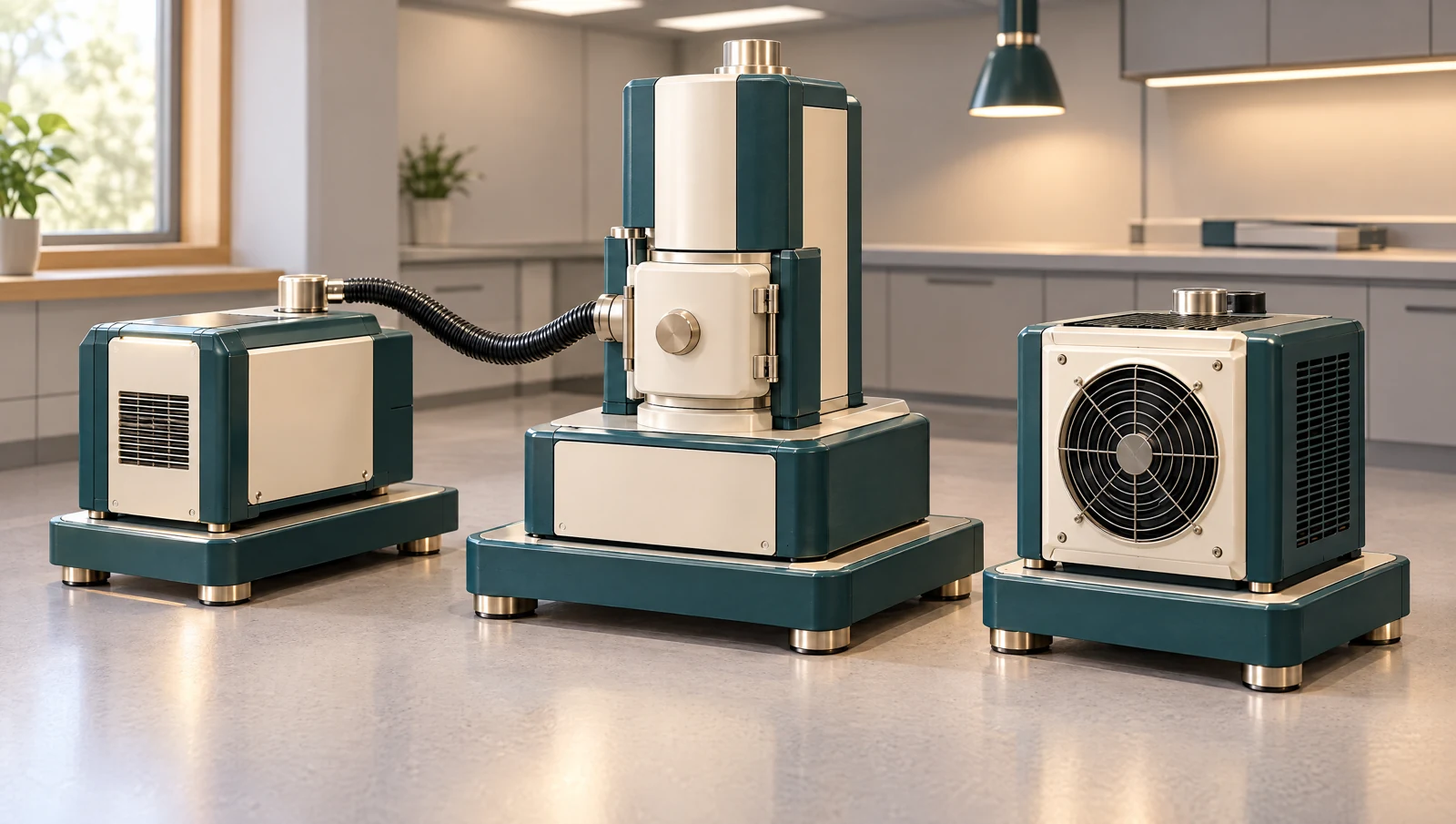
Preparing the room… The device buttons remain available.
Illustrative room · current supports, not saved scan settings. Both devices stay on; service hoses remain connected. Mount colours show your settings, not the cause of the wobble.
Choose a device to investigate its support.
Rates are chosen for this case.
Make a prediction (optional)
Choose before changing a support or scan speed. There is no score.
See the motion trace
Shown capture · 1 s model record · fixed axes
Describe this image
Your evidence
| Saved scan | Edge waviness | Model motion RMS |
|---|---|---|
| Before | — | — |
| Test | Not saved | — |
| Return | Not saved | — |
Before: Regular scan. Save a test after changing one thing.
RMS describes the size of the variation. The trace explains the same model; it is not an independent sensor. Compare the images as well as the numbers.